Sep 8, 2026Cold Chain Guides
Why a Multi-Temperature Refrigeration Unit Beats Two Trucks
Carrying frozen and chilled cargo in one body at independent setpoints can remove a second vehicle from the route, but it requires proper attention to partition, heat load and airflow.
Why run two refrigerated trucks, one for frozen product and one for chilled product, when a single truck can sometimes handle both? That is the question behind multi-temperature transport. It is the difference between dispatching two vehicles along the same route and sending one that carries both types of cargo at the same time.
For a distributor serving supermarkets, food-service and convenience accounts, the benefit can be significant. A single vehicle that can carry frozen and chilled goods together is more than a convenience; it changes how many trips are needed and how much of each truck is put to productive use.
Two Temperature Bands in One Body
At its simplest, a multi-temperature system divides the body into zones that run at different setpoints. For example, one compartment can operate at -18°C for frozen products, while another operates at +5°C for chilled products.
This removes the need for a second vehicle and lets a single route serve both product families with each zone held at its own temperature.
More Than Adding a Second Evaporator
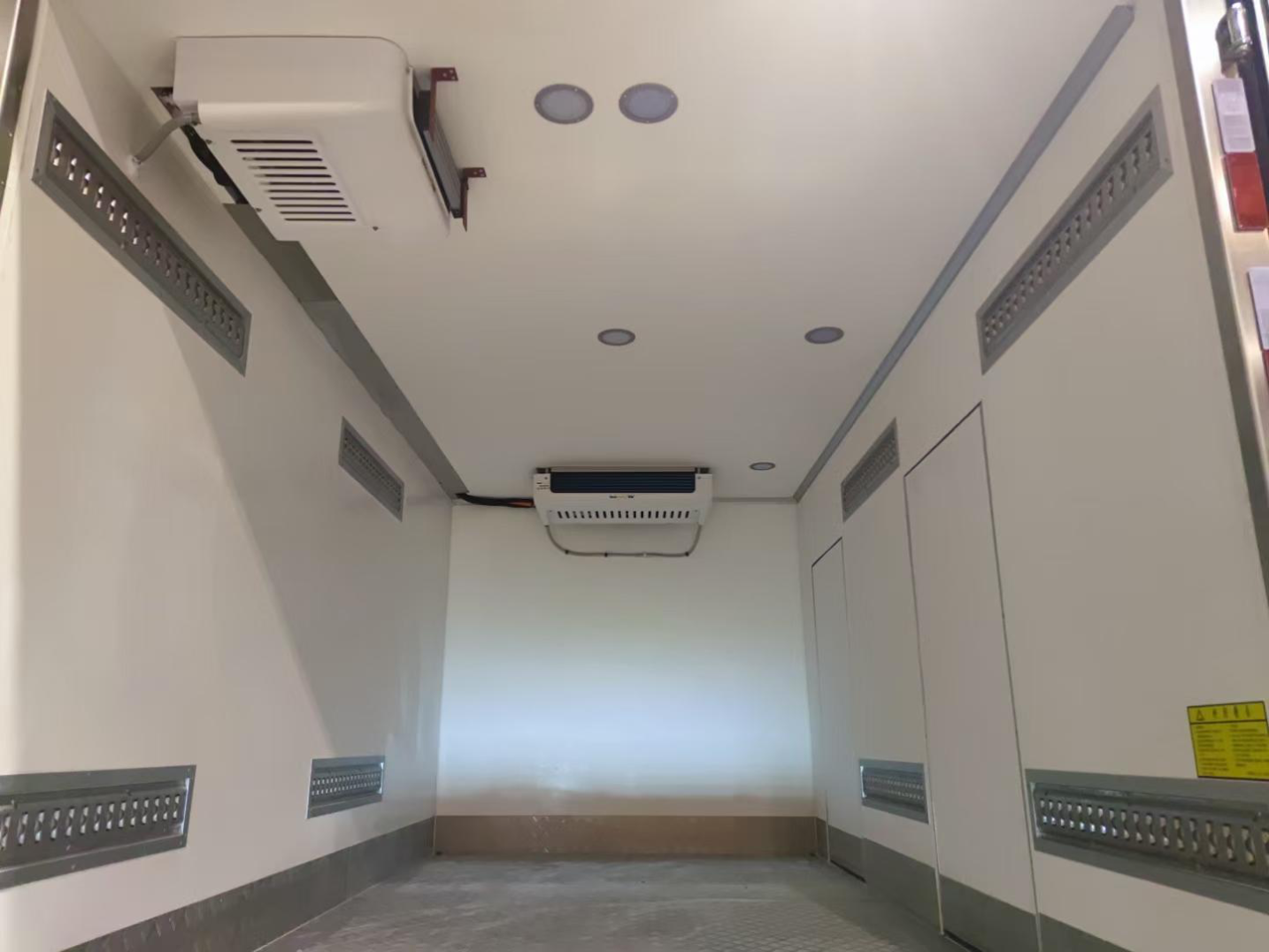
A multi-temperature system, however, is not simply a matter of adding another evaporator to the body. The design must take account of the partition position, the heat load in each compartment, air circulation, evaporator capacity and door-opening frequency. Each of these affects whether the two zones can hold their own setpoints independently, especially when the doors are opened repeatedly during a delivery route.
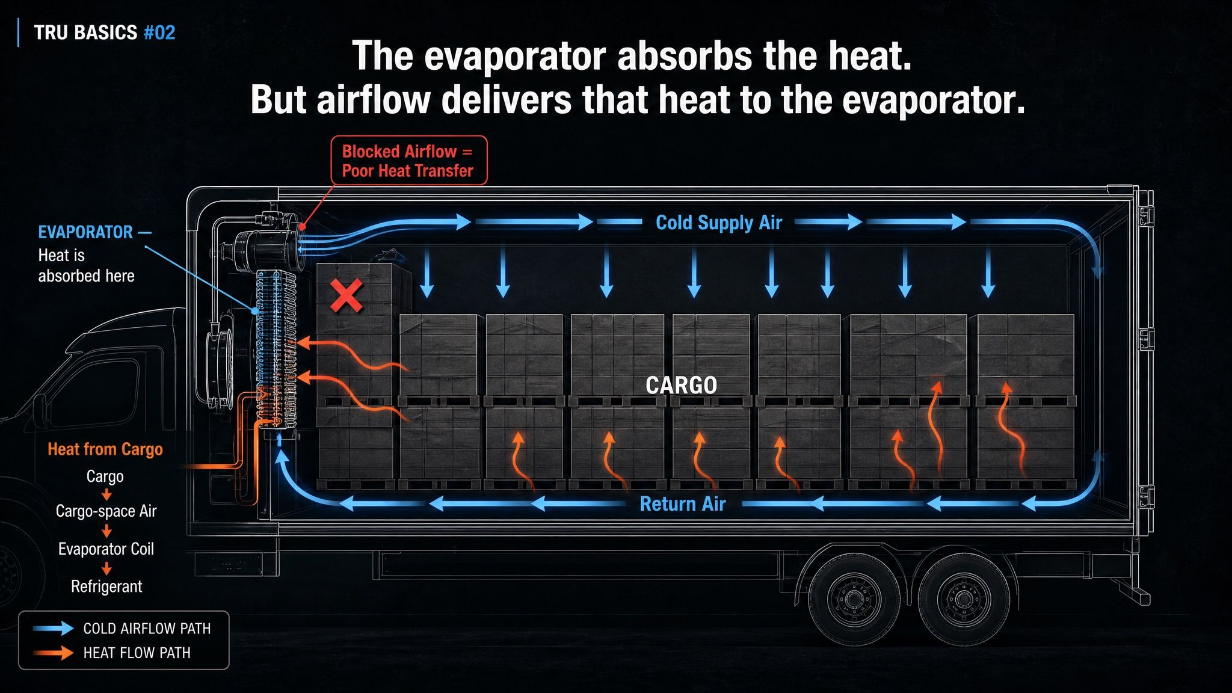
The partition, for example, must be sealed and positioned so that the two zones do not exchange air. The evaporator in each compartment must be sized for the load it serves, since a frozen zone asks more of the system than a chilled one. And the air circulation must be arranged so that the temperature in each zone remains as intended rather than bleeding into the other.
What This Means for a Fleet
For a fleet operator, the value of a multi-temperature unit is measured in trips saved and utilization gained. Replacing two dispatch runs with one raises the useful work done by each vehicle and simplifies route planning. But that benefit depends on the system being configured for the route it will actually run, not selected off a generic model list.
When Multi-Temperature Is Worth It
The economics are straightforward where a fleet regularly carries both frozen and chilled goods to the same accounts. That is a real cost and relates directly to the value of a multi-temperature solution.
The case is weaker for a fleet that only occasionally mixes loads. If the routes are mostly single-temperature, a simpler unit may be the more economical purchase, and the added complexity of a multi-temperature system is not justified. The decision, as with so much in refrigeration, follows the duty cycle rather than a preference for the technology.
The practical lesson is to begin with the delivery pattern and the cargo: which products travel together, what setpoints each needs, how often the body is opened, and how the compartments should be divided. With those answers, a multi-temperature unit becomes a genuine alternative to a second truck rather than a compromise on temperature control.