Sep 8, 2026Cold Chain Guides
How Stable Is Pharma Reefer Temperature, Really?
For pharma loads, reaching the target is not enough. A measured batch held variance within 2-8°C across full loads, frequent door openings and long highway runs.
Journal
Read buying guides, product notes, material stories, and field updates from the team.
For pharma loads, reaching the target is not enough. A measured batch held variance within 2-8°C across full loads, frequent door openings and long highway runs.
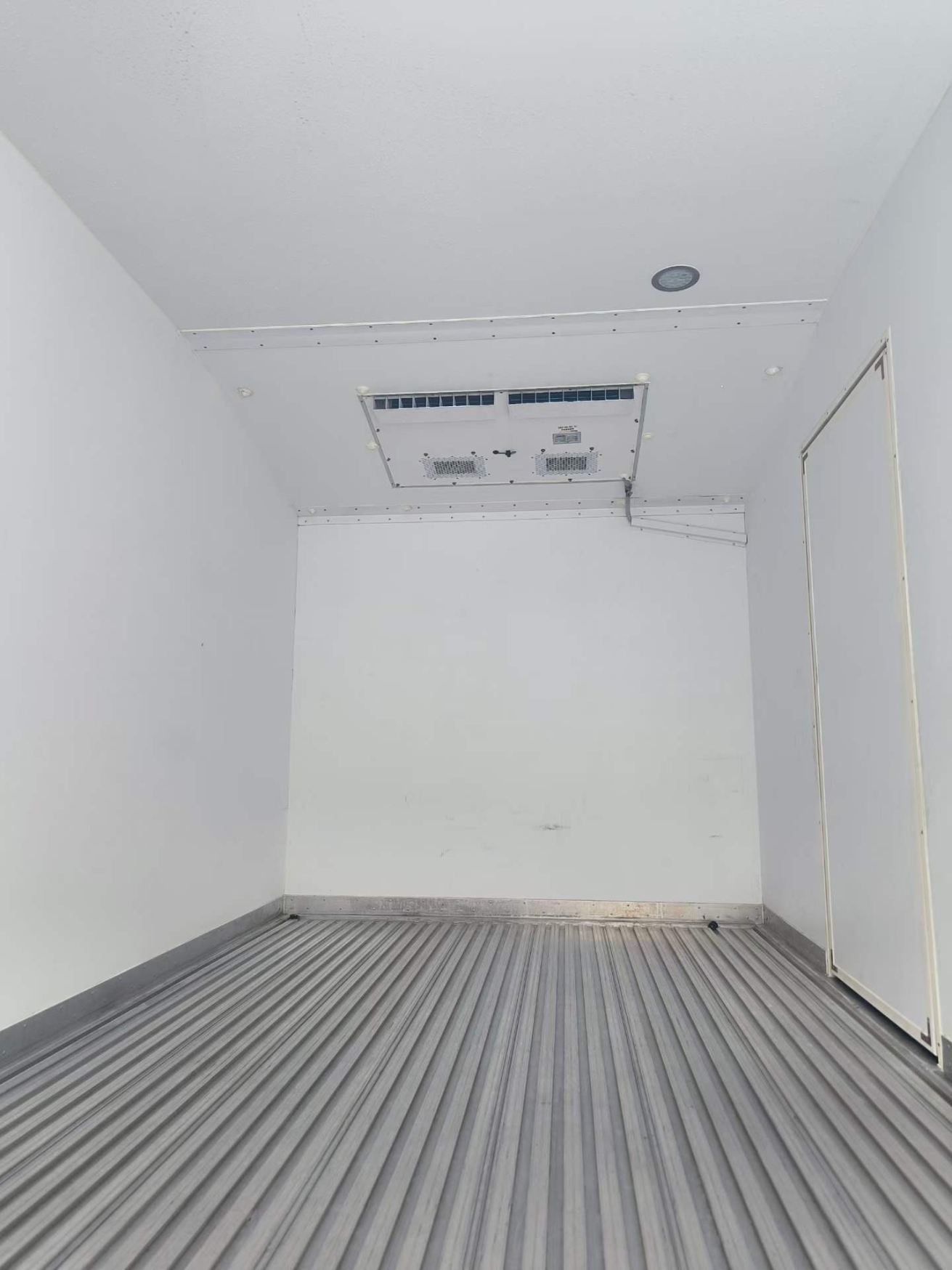
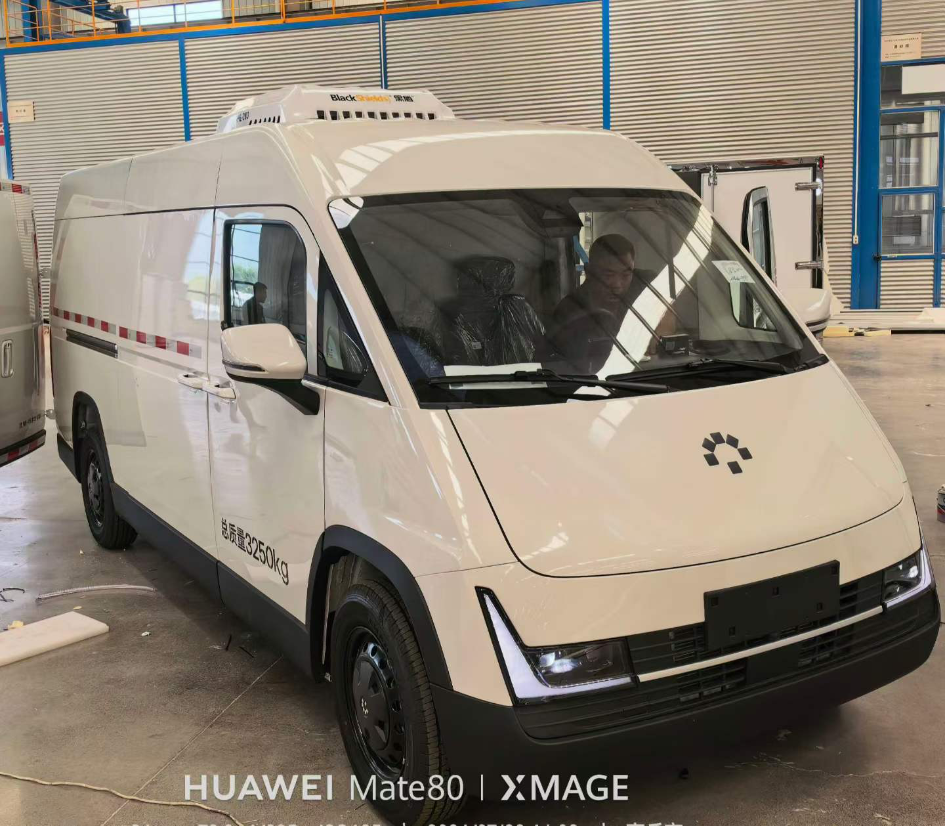
Slimming an EV reefer unit can hurt cooling, but a thin dual-temperature unit can meet -18°C in 46 minutes at 30°C ambient while staying flush-mounted to cut drag.
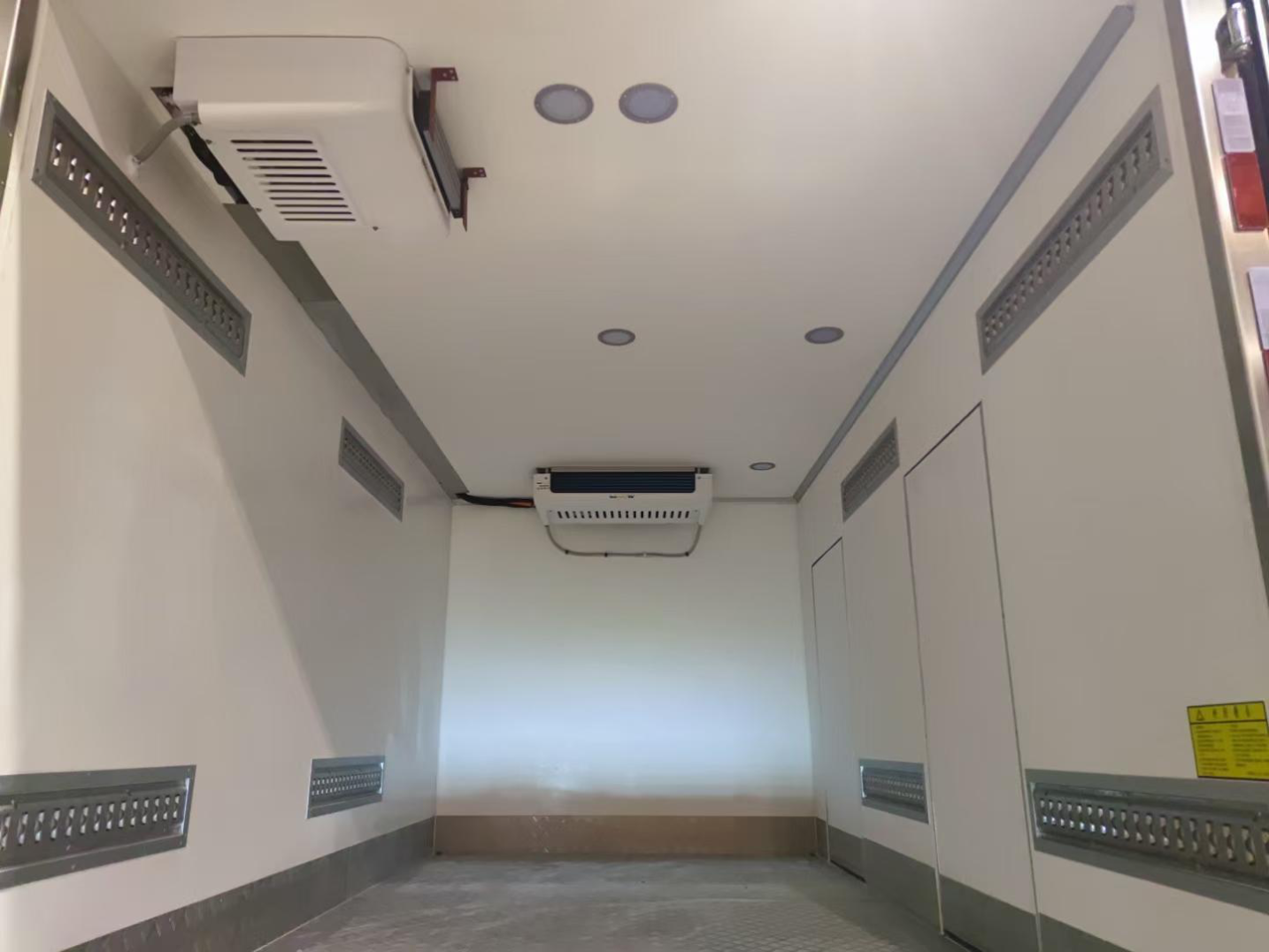
Carrying frozen and chilled cargo in one body at independent setpoints can remove a second vehicle from the route, but it requires proper attention to partition, heat load and airflow.
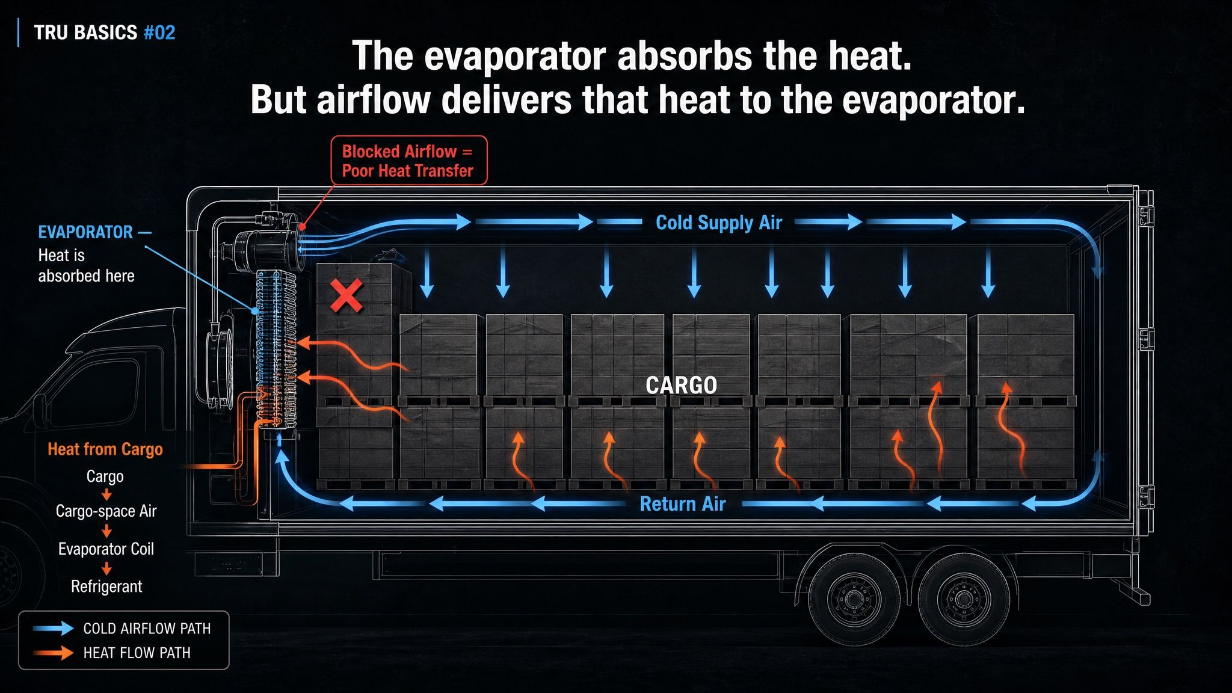
The evaporator is the component that absorbs heat from the cargo space. Delivering that capacity depends on clean coils, correct refrigerant flow, fan performance and clear return-air paths.
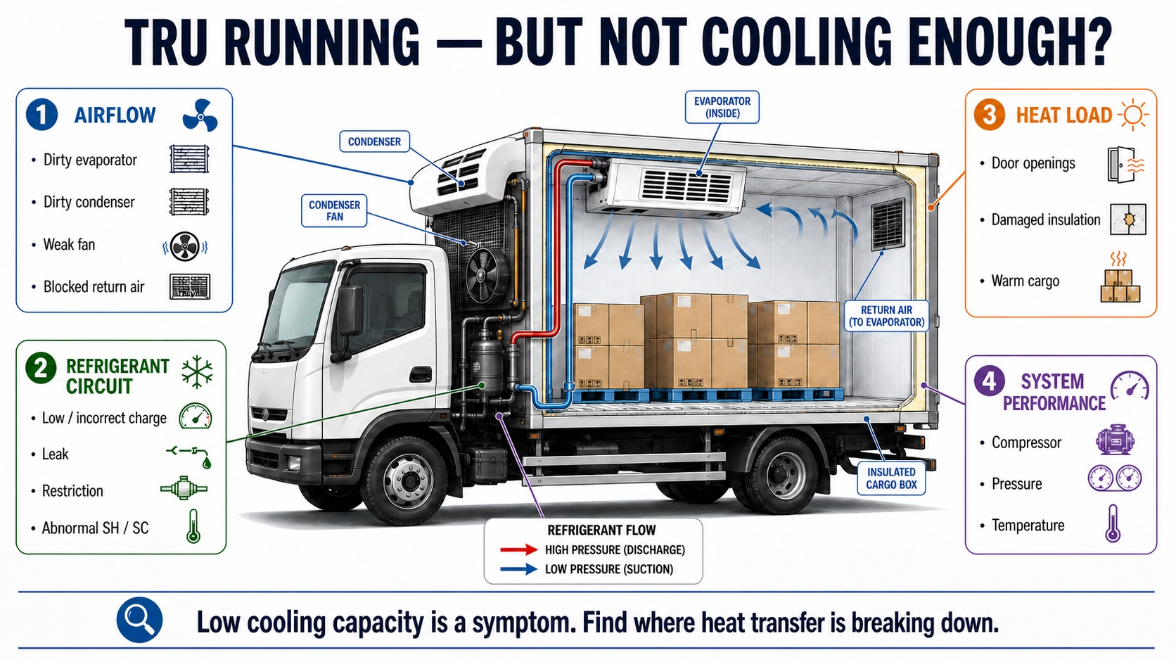
Low cooling capacity is a symptom, not a diagnosis. A four-area checklist helps a technician find where the heat-transfer process is actually breaking down.
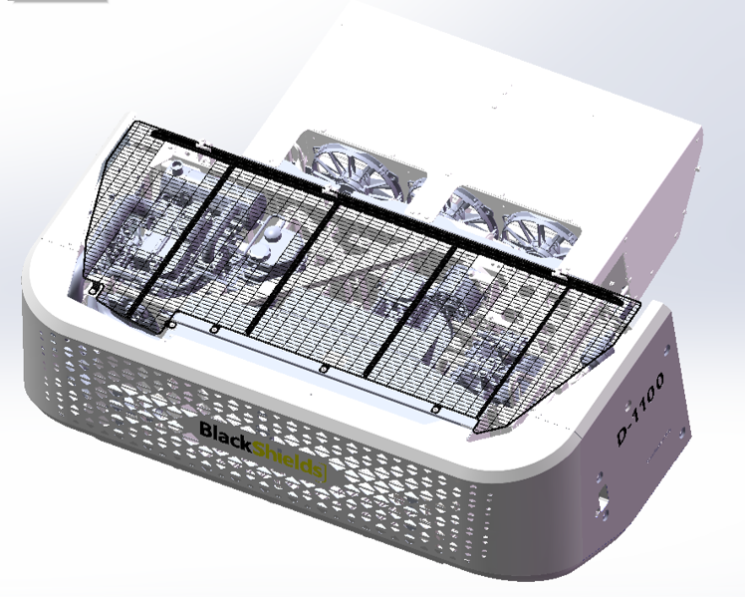
Learn how to select a transport refrigeration unit using cargo temperature, body dimensions, insulation, ambient conditions, route profile, power source and installation constraints.
Recommended products
Popular pieces selected to support the routines, repairs, and ideas featured in our journal.
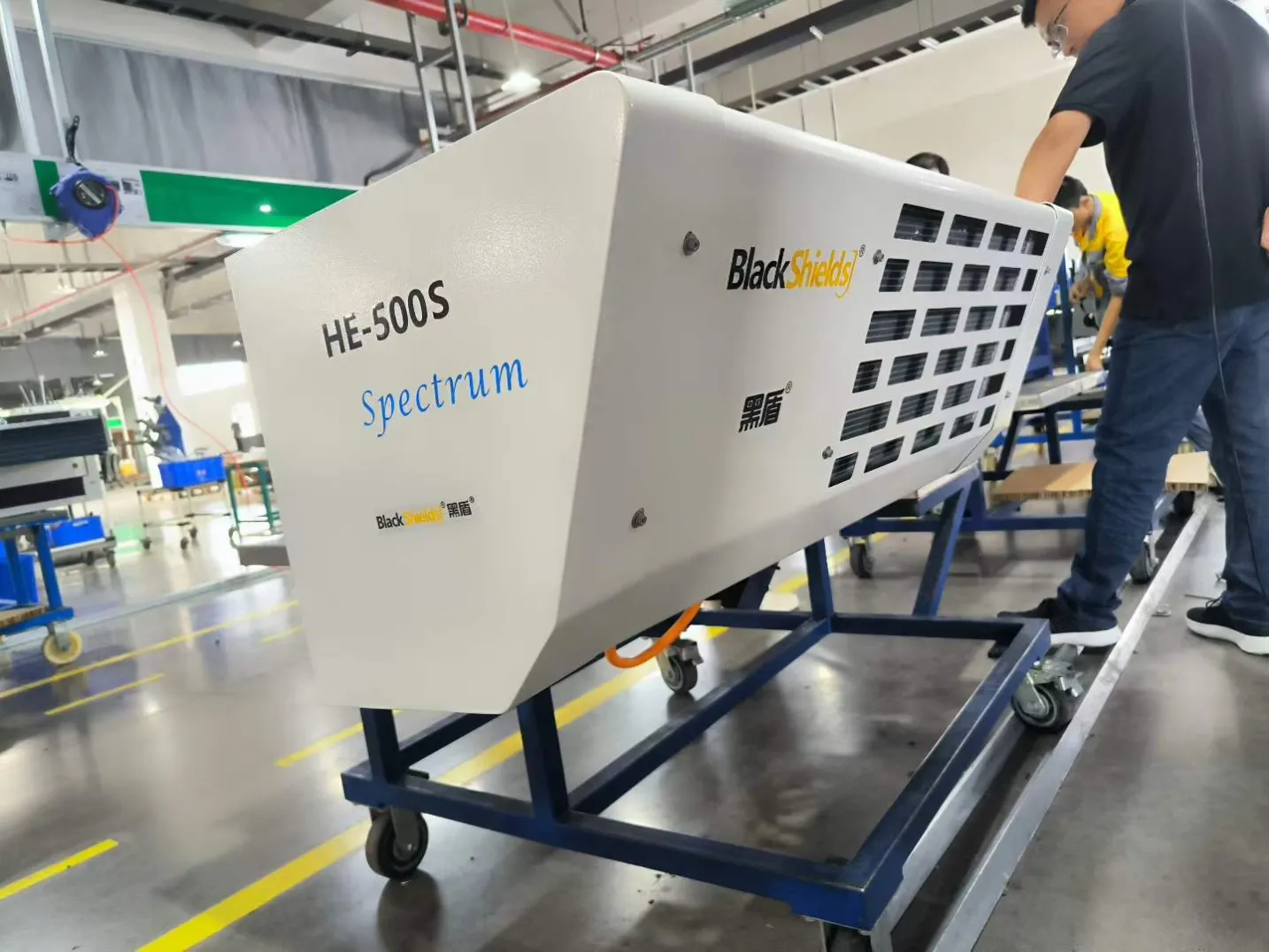
Direct-drive transport refrigeration unit for 5–12 m³ refrigerated bodies, available with front-, roof- and bottom-mounted condenser configurations. Rated cooling capacity: 3,850 W at 0°C and 1,800 W at -20°C under 30°C ambient conditions.
Self-powered transport refrigeration unit for 45–60 m³ refrigerated truck bodies. Verified cooling capacity at 30°C ambient: 10,500 W at 0°C and 6,440 W at -20°C, with a minimum box temperature of -30°C.